Hotel Bachledka**** Strachan
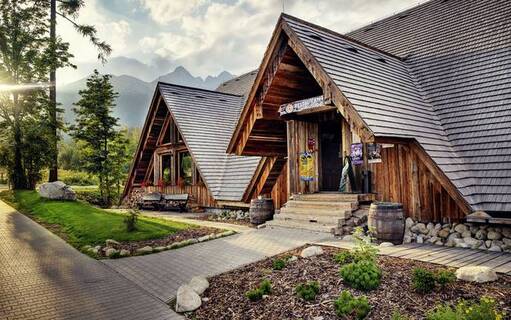
Set in the Bachledova Ski resort in the Belianske Tatras Mountains, this traditional hotel offers spa facilities and a Slovakian restaurant, as well as free Wi-Fi and a scenic garden. (Source: www.booking.com)
GORAL CULTURE COMES TO BACHLEDKA
The month of August is full of festivals and celebrations, but perhaps the most beautiful moments
you will experience on Bachledka. This year, Ždiar will also offer an unusual combination of beautiful
Goral culture with modern POP music. The biggest attractions will be the traditional ones
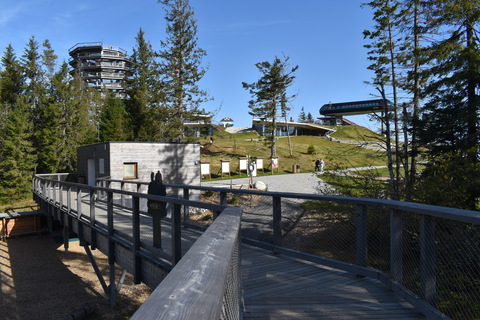
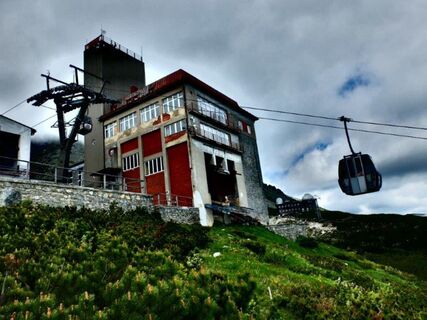
mountain crafts, IMT Smile or cable car ride directly to Chodník korunami
trees included in


The view from 32 metre high observation tower is magnificent and you will have the majestic trees some of which are even older than you within arm’s reach.
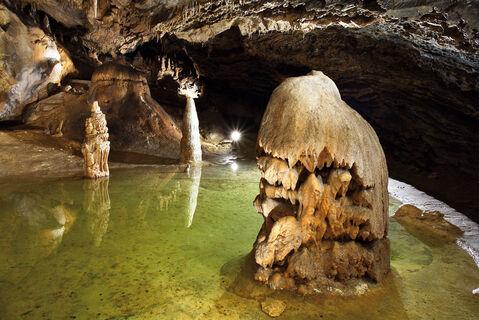
The Belianska jaskyňa cave is the only one accessible to public in the Tatras and situated in the slope of the Belianske Tatry Mts. above the commune Tatranská Kotlina. It is among the first caves Europe in which electric light was installed.
Malebné Zelené pleso sa nachádza vo východnej časti Vysokých Tatier. Je to nádherné ľadovcové jazierko v závere najvýchodnejšej vysokotatranskej doliny, v nadmorskej výške 1540 metrov. Priamo na brehu jazera stojí turistická chata s celoročnou prevádzkou.
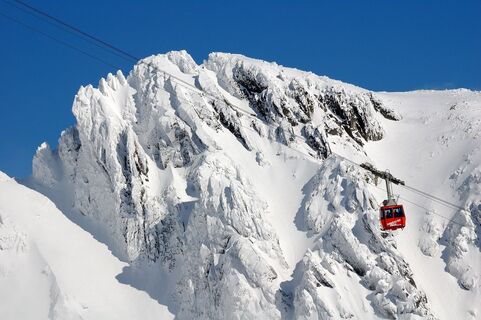
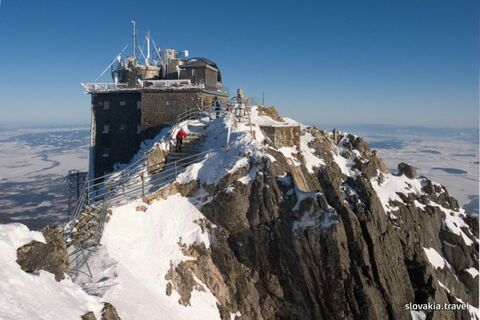
One of the much sought out attractions of the mountain range Vysoké Tatry is the funicular to the top of the peak Lomnický štít, the ride on which together with beautiful view offers an unforgettable experience.
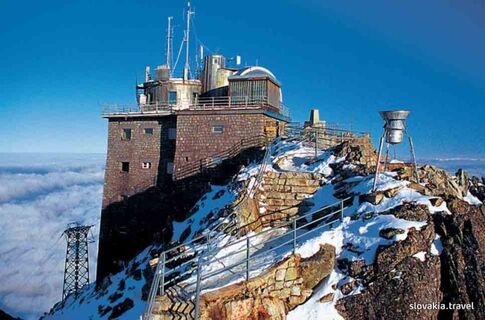
The highest situated point in Slovakia where people regularly work is the observatory at the top of the peak Lomnický štít in the mountain range Vysoké Tatry. It is at the altitude above sea level of 2,632 m.
A trip to Lomnický štít peak by chair lift is among the most attractive adventures for tourists in the High Tatras and, indeed, it enjoys the popularity of the public. It reaches the differential height of 1,700 m and carries tourists to a height of 2,634 m above sea level in only a few minutes.
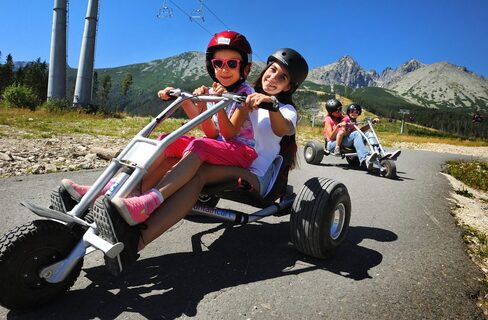
Mountain carts are motorless tricycles that can bring adrenaline fun to the whole family.
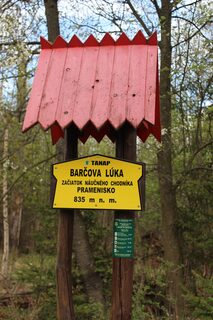
Are you thinking about what kind of walk to take with your children? The Pramenisko nature trail is a very good choice. It is an easy walk through the swamps with interesting scenery and educational boards that will enrich you with interesting information.
Interaktívna rodinná galéria vo Vysokých Tatrách, Dobrá Hračka, je miesto, kde na ploche 500 m2 nájdeš množstvo hier a atrakcií, naučíš sa dopravné predpisy, vyskúšaš si rôzne hračky. Aj náš obchodík je zameraný na netradičné hračky, vďaka ktorým sa deti aj dospelí dokážu hrať nielen zábavne, ale aj s rozumom. V Dobrej Hračke zastávame názor, že hračky, ktoré predávame vám vieme najlepšie priblížiť na základe osobnej skúsenosti a preto ich tu aj sami testujeme a hráme sa s nimi.
The place to enjoy and enjoy with your friends
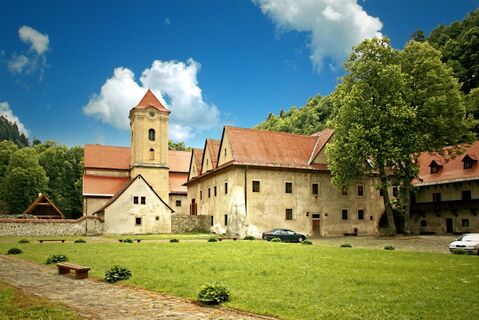
In 1319 master Kakaš donated the community of Lechnica to the friars of Skala (today Kláštorisko in Slovak Paradise) who built in the nearby valley of St Anton a Carthusian monastery. Because the buildings of the monastery were built of red bricks the people began to call it Červený kláštor (Red Monastery).
ŽDIAR is a typical Goral community situated between the mountains of the Belianske Tatry and Spišská Magura. It is a tourist centre and the starting point for trips to the mountains Belianske Tatry.
The place to enjoy and enjoy with your friends
Slovenská tradícia v kuchyni. Meníme obyčajný obed na skvelé zážitky.
AGROTURISTIKA - možnosť zapojiť sa do chodu gazdovsta a chaty, starostlivosť o zvieratá, ich kŕmenie, čistenie koní, osedlanie koní, pomoc pri ustajnení koní, napájaní, vyhnojovaní, kosiť čerstvú trávu, jazda na traktore. Túto možnosť oceňujú rodičia s deťmi, ktoré tak majú možnosť naučiť sa veľa o zvieratách a prírode, ale aj dospelí milovníci prírody, alebo pod neustálym tlakom pracujúci manažéri. JAZDA NA KONI je pre niektorých jedinečným zážitkom, atrakciou ale aj koníčkom, ktorému venujú celý svoj život. Pre tých čo sa chcú povoziť, naučiť sa jazdiť, starať sa o kone, objednať si celé stádo pre svoje podujatie, jazdiť na saniach, nočné jazdy, výlety po okolí a iné.
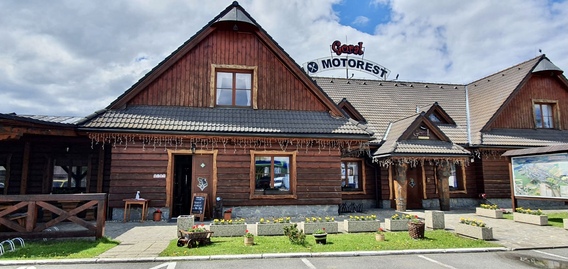
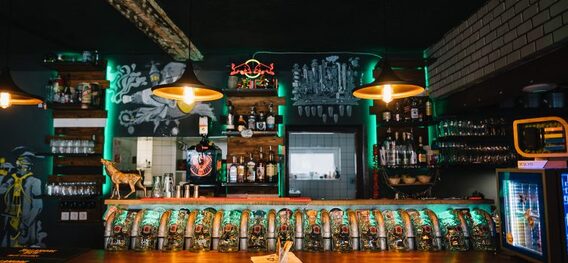
The "GOOD TIMES" pub is the place where everyone can find their taste of beer. Each day, up to 16 kinds of the best of the beer world are on display.
V malebnom mestečku Stará Ľubovňa, neďaleko križovatky ciest vedúcich do Poľska, Popradu a Bardejova, pod nádhernou scenériou Ľubovnianskeho hradu sa nachádza Salaš u Franka.
Set in the Bachledova Ski resort in the Belianske Tatras Mountains, this traditional hotel offers spa facilities and a Slovakian restaurant, as well as free Wi-Fi and a scenic garden. (Source: www.booking.com)
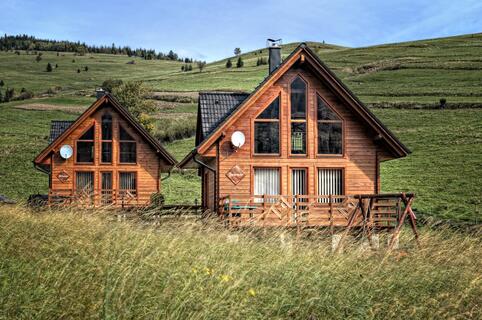
Located 6 km from Belianska Cave, Winter & Summer - Chalets provides accommodation with a restaurant, a shared lounge and a shared kitchen for your convenience. Both WiFi and private parking are available at the lodge free of charge.
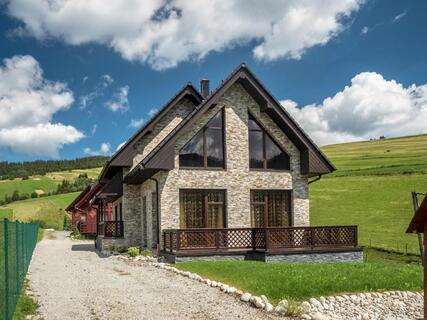
Situated in Ždiar, 7 km from Belianska Cave, Spring Chalet features accommodation with a restaurant, free private parking and a garden. Boasting family rooms, this property also provides guests with a children's playground. The rooms have a balcony.
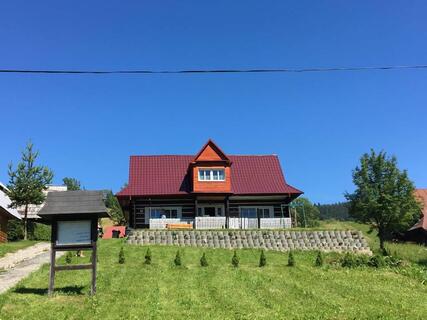
Cottage in Ždiar is an original Goral wooden house dating back to 1950. In 2016 it underwent extensive, successful reconstruction. This is confirmed by 10 of the 9 chamois, which is, by the way, the most square meter in the Belianske Tatras.
Pension Tatry is located at 1,001 m above sea level in Ždiar, at the foot of 2 peaks of the Tatra mountains, 9.3 mi from the border with Poland at Javorina/Lysá Polana.
Winter&Summer Resort is quietly set in Zdiar, in the Belianske Tatras. Featuring free Wi-Fi and free parking, it offers a restaurant, with a children’s corner, serving Slovak and international dishes.
Vyskúšajte si unikát v širokom okolí – vonkajšiu Kneipp terapiu s balančným chodníkom. Vodoliečebná otužovacia procedúra a chodenie na boso po rôznych druhoch povrchu je príjemným zážitkom pre vás a vaše nohy.
Rafting s inštruktorom, požičovňa lodí, vodáckého vybavenia, bicyklov.
Pod dominantou Pienin – majestátnymi Troma korunami, v čarokrásnej prírode Pieninského národného parku, sa nachádzajú novootvorené kúpele Červený Kláštor Smerdžonka. Ideálne miesto na vyliečenie tela a povzbudenie ducha.
We are THE YOUNGEST team doing rafting on the Dunajec River.
The unique alpine climate of the Vysoké Tatry and its beneficial effect on human organism was one of the main reasons to establish climatic spa in this mountain range, particularly in the settlement Nový Smokovec. MUDr. Nikolaus Szontágh, a physician who possessed some experience from the Alps, founded the spa and opened the first sanatorium in 1876.
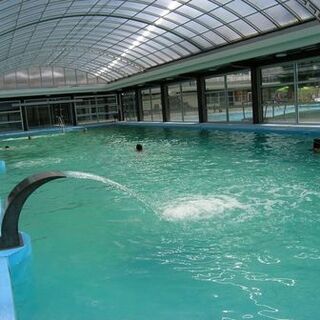
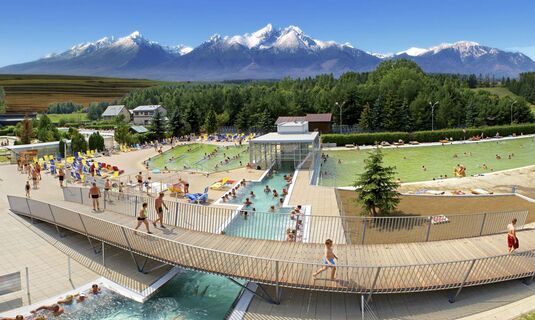
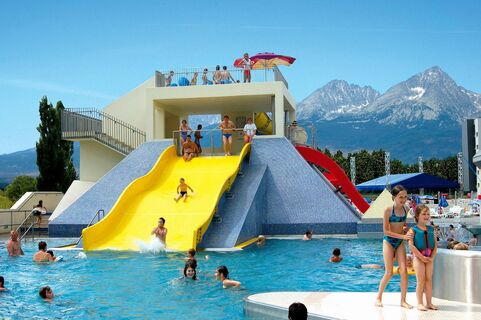
The Izabela Thermal Swimming Resort with five outdoor swimming pools (including two children swimming pools) is located in the attractive setting of Vyšné Ružbachy. There is also an indoor thermal swimming pool open throughout the year. The wide range of services includes a balneal programme, a wellness programme and sports facilities.
The tradition of the sanatorium in Tatranská Polianka specializing in the treatment of respiratory system diseases dates back as early as the 19th century. Tatranská Polianka is located 1005 metres above sea level, in the forest zone in a slightly cold area. Due to dry air, a favourable sunlight ratio, lower air pressure, lower oxygen pressure and moderate day temperatures without major variations, the climate in the Tatras is perfect for patients with lung diseases.
In the Thermal Pool Vrbov you will find the right geothermal water, which is considered one of the best mineral waters in Central Europe containing important mineral substances for the human body. Geothermal water, which the pools are filled by, springs from a depth of over 2000 m and contains minerals with beneficial effects on the musculoskeletal and respiratory system, nervous system, skin and cardiovascular system.
AquaCity Poprad is a modern and eco-friendly tourist resort which is literally self-sufficient in terms of energy. Using geothermal water and solar energy on a daily basis prevents tonnes of carbon dioxide from being released into the atmosphere. AquaCity manages to cut energy costs and return the savings back to customers in the form of affordable eco-friendly luxury.
ŽDIAR is a typical Goral community situated between the mountains of the Belianske Tatry and Spišská Magura. It is a tourist centre and the starting point for trips to the mountains Belianske Tatry.
OSTURŇA is a typical Goral village in a wide valley of the Osturniansky potok brook. It is probably the longest village extending over the banks of a brook in Slovakia. There are many original Goral buildings preserved in the commune.
The Encián Gallery located at an altitude of 1751 metres is the second highest in Europe and the highest location in Central Europe as well as in Slovakia.
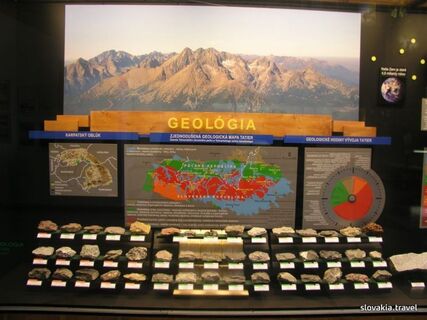
The museum makes visitors familiar with the Tatra nature, its protection, and the history of opening the Tatras to the public.
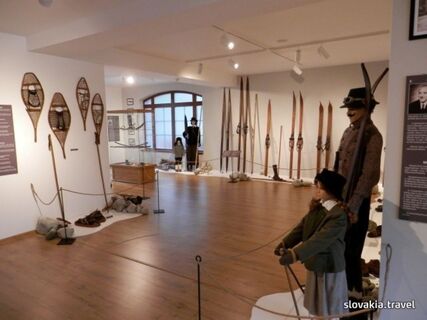
Kompaktne a moderne upravená expozícia súkromného Ski múzea poskytuje návštevníkovi prehľad o vývoji jednotlivých zimných športov vo Vysokých Tatrách od ich počiatku až do roku 1945 na ploche cca 300 m2.
Vstup do priestorov zámočka sprístupnených verejnosti je bezplatný. Maximálny počet návštevníkov pri jednom vstupe je dvadsať. Pre limitovaný počet odporúča Kancelária prezidenta SR záujemcom o prehliadku priestorov vopred si ju zarezervovať. Objednaní záujemcovia majú prednosť pred neobjednanými.
J. M. Petzval Museum in Spišská Belá is one of the detached exhibitions of the Slovak Technical Museum in Košice, the only museum in Slovakia focusing on the history of science and technology in this area.
The local part of Spišská Belá - Strážky in the east of Slovakia today represents a complete compound of cultural and historical monuments. The manor house in Strážky is a gem of the Renaissance architecture in Slovakia.
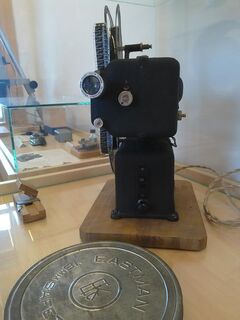
In the very centre of the High Tatras, in the Tatra village of Starý Smokovec, you can find a renovated log cabin called Vila Alica—the new home of the private Museum of Tatra Cinematography and Photography as of June 2015. It takes visitors back in time to the Tatras’ past, a time when the pace of life wasn’t so fast and each tourist wasn’t always equipped with their own individual camera and video recorder. A past with an undisturbed pace, preserved by artists and amateurs alike who managed to record the surroundings in photos and videos.
In 1319 master Kakaš donated the community of Lechnica to the friars of Skala (today Kláštorisko in Slovak Paradise) who built in the nearby valley of St Anton a Carthusian monastery. Because the buildings of the monastery were built of red bricks the people began to call it Červený kláštor (Red Monastery).
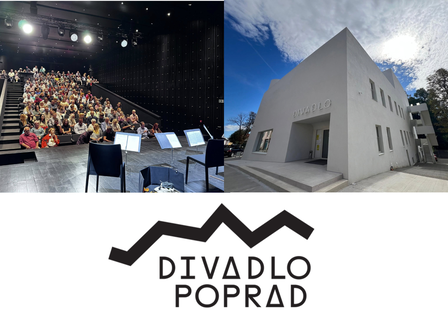
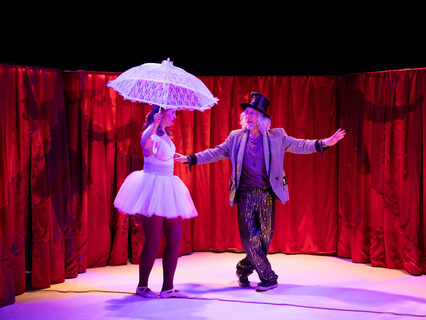
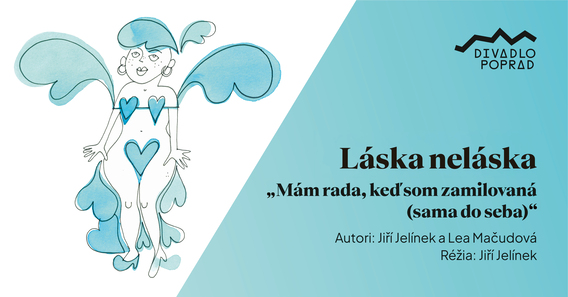
Looking for a great evening plan, a weekend family outing, or an inspiring cultural experience? Visit Poprad Theatre, offering a rich and vibrant lineup for audience members of all ages!
Discover a unique evening filled with history, humor, music, and cabaret at Divadlo Poprad.
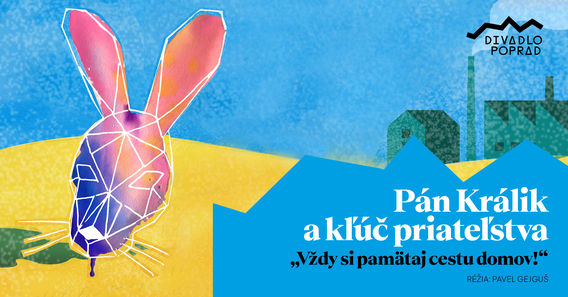
Embark on an adventure into a world of fantasy and games with two brothers at Divadlo Poprad.
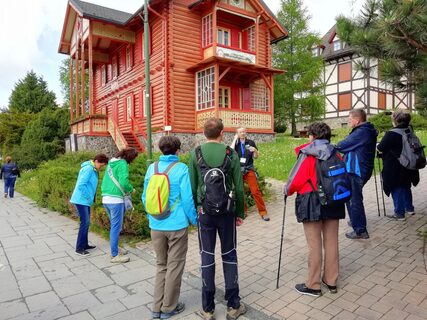
Discover the charm of High Tatra settlements! We invite you to free two-hour guided tours exploring the history, monuments, and sights of the High Tatras region with expert commentary.
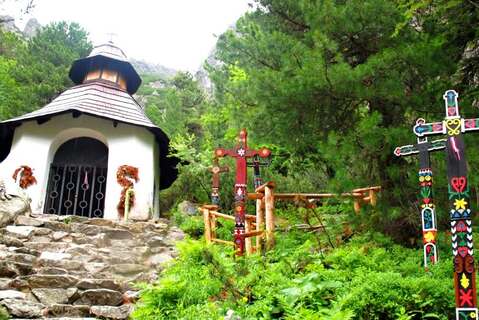
Join us to honor the memory of those who lost their lives in the mountains at the Symbolic Cemetery near Popradské pleso.
Experience an inspiring theatre performance by Divadlo ALDENTE as part of the Nádych festival.
Experience a lively musical comedy filled with clever humor and unexpected situations at Divadlo Poprad.
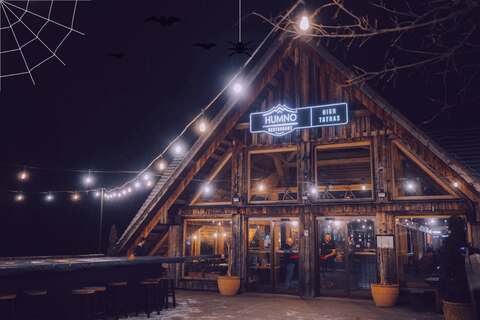
Experience a nighttime Halloween party beneath Lomnický peak featuring a DJ, hostesses, and high-energy entertainment at Humno Tatry.
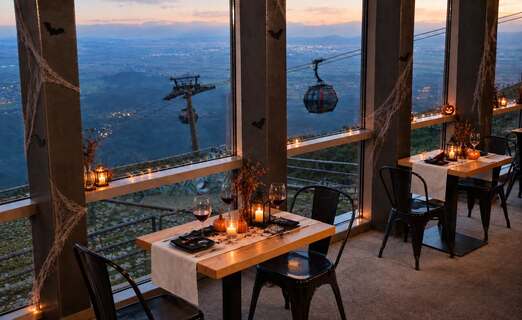
Enjoy an extraordinary dining evening featuring a cable car ride, live music, and stargazing guided by SAV scientists at Skalnaté Pleso.
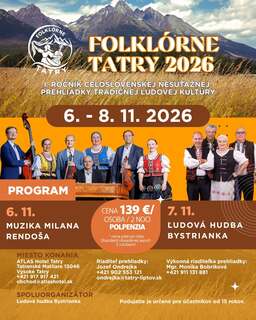
Experience a weekend of traditional singing, dancing, and sub-Tatra culture at the 1st annual non-competitive nationwide folklore showcase in Tatranská Matliare.